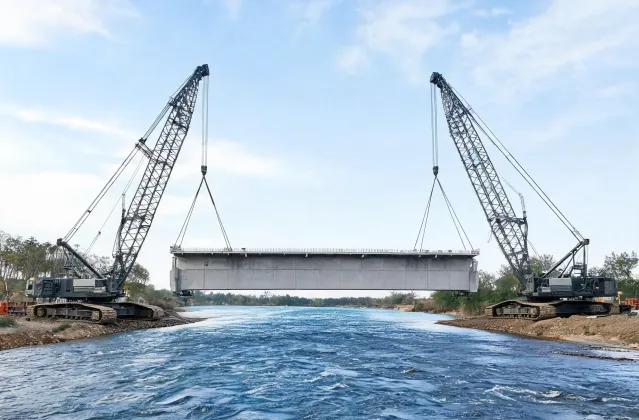
Bridge & Precast
Segmental sets demand tandem coordination, SWL witness sheets and rainy-season radius discipline when approach fills soften under outrigger pads.

From bridge precast tandem picks to coastal module sets — Tadano crane fleets show up where the lift calendar cannot slip.
Equipment managers and lift planners rarely buy a crane for a generic jobsite. They buy a class that survives a specific combination of pick weight, working radius, outrigger spread and ground-pressure limit. Tadano industries pages map those constraints so EPC bidding desks can shortlist rough terrain, all terrain, crawler or city crane options before the first site walk.
Each workflow below pairs a real construction context with the engineering questions supervisors ask on day one: What is the SWL at mid-radius? Can outrigger pads stay on asphalt or do we need timber mats? Will salt fog or petrochemical dust change the wire-rope discard schedule? How fast can regional parts hubs stage boom pins when a night pick slips?
Use this grid as a briefing tool with your engineer of record. When you are ready for numbers, send the lift schedule through contact — we cite the closest reference site with class, radius and pad-pressure notes within forty-eight hours.
Segmental sets demand tandem coordination, SWL witness sheets and rainy-season radius discipline when approach fills soften under outrigger pads.
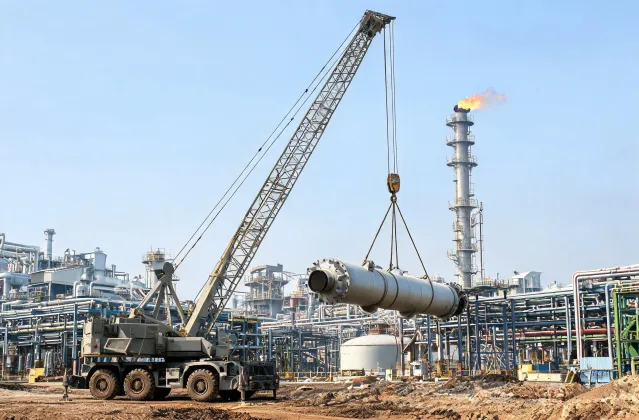
Exchanger pulls on compressed outages require verified outrigger pad pressures, anti-two-block checks and staged boom-pin kits before every critical pick.
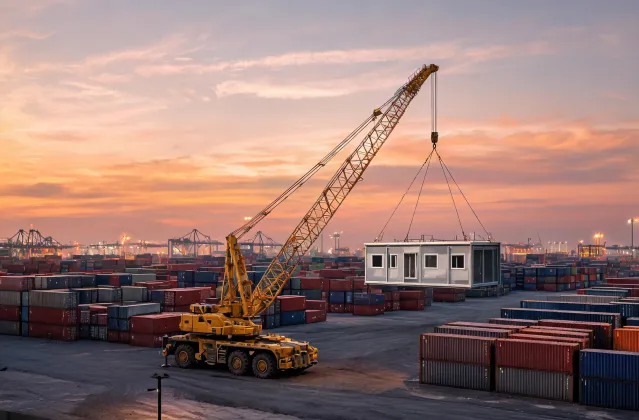
Module sets on compacted yard fill need salt-fog corrosion packages, gradeability margins and tip-load predictability when wind funnels between stacks.
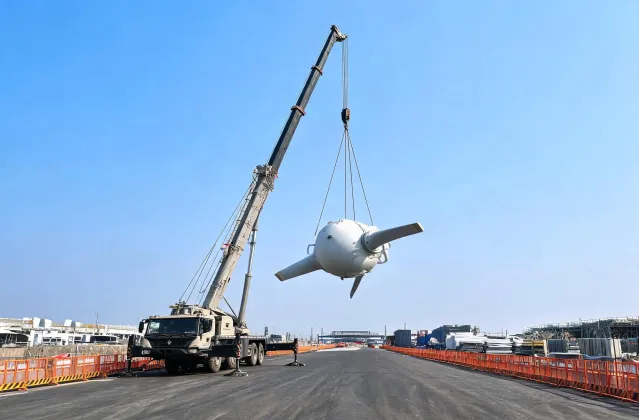
Nacelle and hub moves along restricted corridors rely on night-shift radius locks and collision zoning when weather windows open late.

Compact footprints, freestanding height audits and overlapping slewing arcs keep mid-rise clusters productive without rewriting pour schedules.
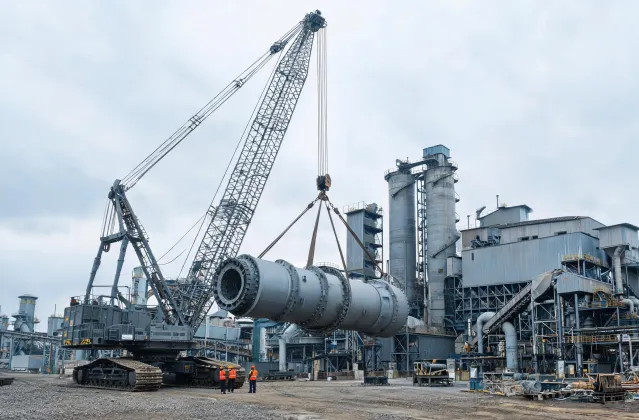
Mill shells and conveyor gallery replacements during planned shutdowns need supervised preventative maintenance and documented hoist hours.
Crawler cranes win when ground pressure (kPa) limits and long boom length at mid-radius matter more than road speed — segmental bridge sets and mill-shell shutdowns are typical. Rough terrain and all terrain classes win when outrigger spreads must relocate between pads inside a single shift and the site still needs published lifting capacity tables without assembling track frames.
Tadano briefing packs list operating weight, hoist speed (m/min) and slewing speed assumptions for both paths so the engineer of record can compare total cost of ownership against temporary matting and transport permits — not brochure horsepower claims.
Fixed electric overhead cranes cut indoor energy cost and eliminate diesel exhaust where the lift path never leaves the bay. Diesel mobile cranes remain the practical choice for outdoor petrochemical turnarounds, port yards and wind staging corridors where foundations for a runway beam are unavailable and the pick calendar moves weekly.
When buyers ask for total cost of ownership, we separate fuel and Tier 4 Final aftertreatment from foundation CAPEX — then map hydraulic system pressure checks and wire-rope discard intervals so neither option hides maintenance hours.
We will cite the closest Tadano reference jobsite within forty-eight hours — including class, radius and ground-pressure notes.
Cite the closest reference site