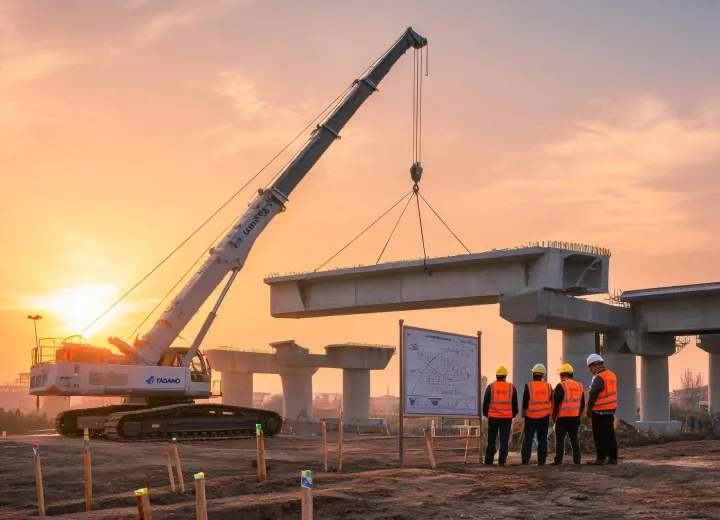
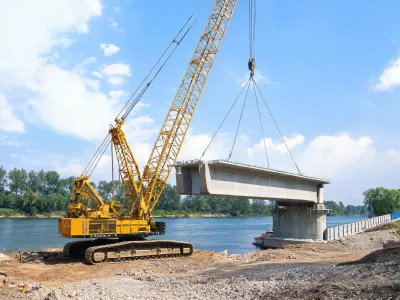
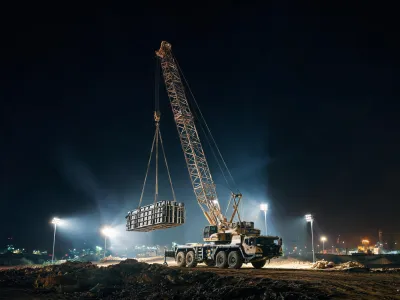
On a coastal viaduct package in Southeast Asia, two Tadano crawler setups logged tandem segmental lifts across an eighteen-month window while field technicians staged boom-pin kits before monsoon gusts closed the approach. SWL witness sheets stayed attached to the daily lift plan, not buried in a trailer drawer.
"The published radius table held through soft fill — and the parts van arrived before our night shift lost a full pick window." — Equipment Manager, Tier-1 bridge contractor
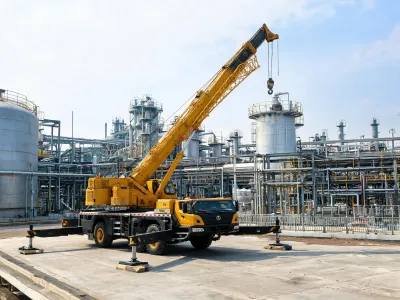
A Gulf Coast petrochemical turnaround paired rough terrain cranes with measured outrigger pad pressures on asphalt pads. Hydraulic cleanliness samples stayed inside ISO 4406 targets for the first thousand hoist hours, and anti-two-block checks prevented tip-load excursions during compressed exchanger pulls.
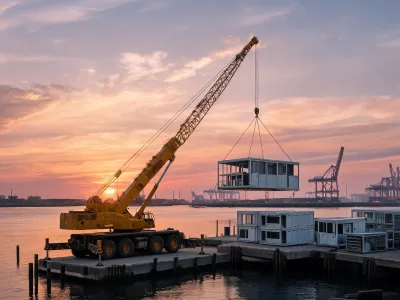
Port module crews in East Asia used all-terrain classes with salt-fog corrosion packages, documenting ground pressure and gradeability on compacted yard fill. Procurement teams reused those inspection logs in the next terminal expansion bid — proof that Tadano case studies are working documents, not brochure spreads.
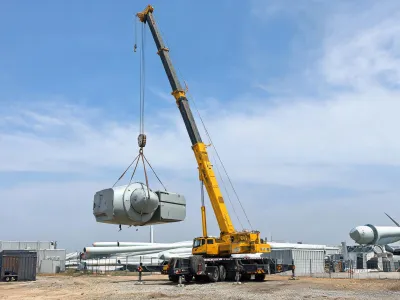
Wind staging corridors in Northern Europe combined city and all-terrain units for nacelle and hub moves. Radius locks and collision zoning kept overlapping machines productive without rewriting the night-shift lift calendar when weather windows opened late.