Engineering Honesty
Load charts you can verify, outrigger pad pressures you can recalibrate, and SWL witness sheets that survive EPC audit without rewriting claim language.
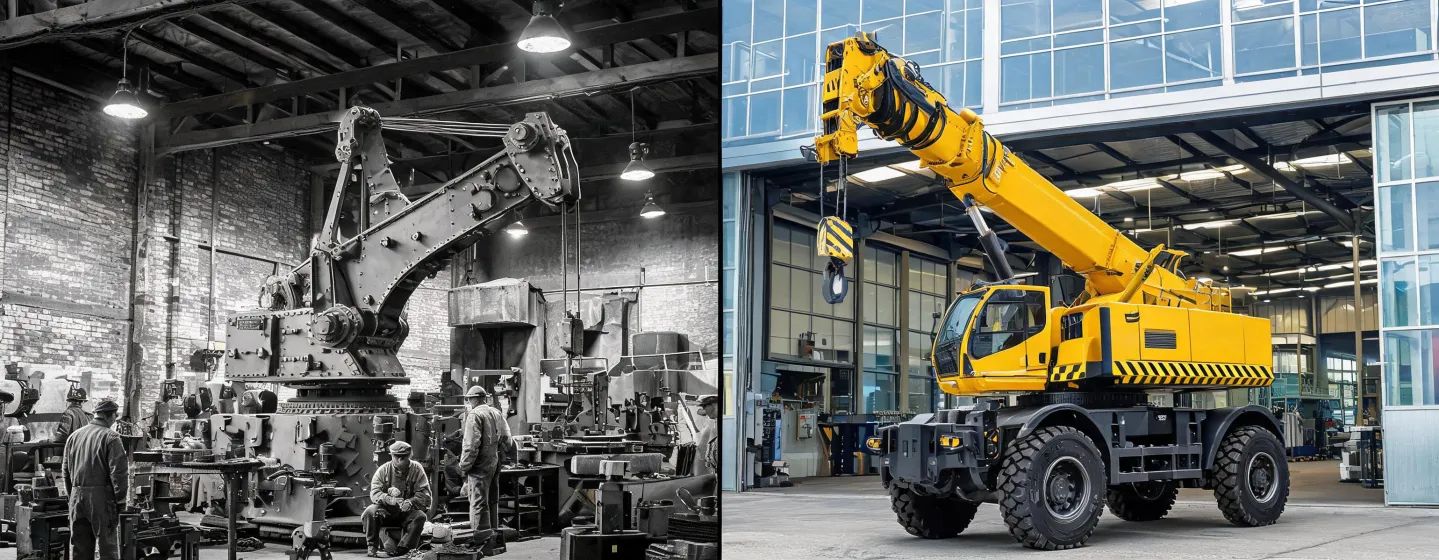
From early hydraulic crane craft to today's global rough-terrain and crawler fleets — Tadano builds load charts operators can verify on the first pick.
Founding teams refine truck-mounted hydraulic lift gear for postwar reconstruction yards — prioritizing controllable boom motion over pure lattice mass.
Jobsite-ready rough terrain cranes bring outrigger spreads and published radius tables to petrochemical and bridge contractors who needed mobility between pads.
Higher SWL classes and longer main booms enter export programs, with ASME B30 documentation packages prepared for North American lift planners.
Regional warehouses stock boom pins, wire rope and hoist kits across Asia, Middle East and the Americas — targeting sub-eighteen-hour MTTR on contracted fleets.
Emission-compliant engine packages roll across mobile crane families without rewriting the load-chart discipline lift supervisors already trust.
Cab ergonomics, anti-two-block logic and on-board lift planners tighten the gap between published charts and real outrigger pressure on soft fill.
Load charts you can verify, outrigger pad pressures you can recalibrate, and SWL witness sheets that survive EPC audit without rewriting claim language.
Eight-thousand-hour rebuild cycles, slew-bearing torque audits and hoist drum inspections scheduled before tip-load confidence erodes mid-project.
Cab ergonomics, ROPS-minded structures and clear radius locks — because the operator wins the day when the chart and the pad agree.
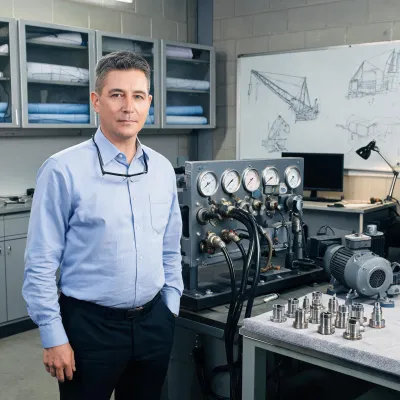

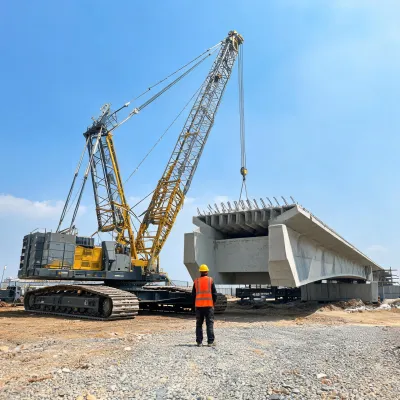


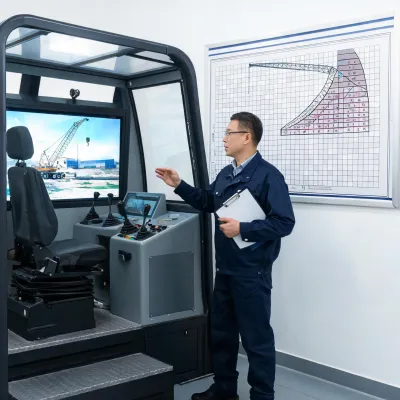
Bridge, petrochemical and port customers welcome by appointment for load-chart walkthroughs and cab ergonomics reviews.
Request a plant tour